
When to Consider a Footrest at a Standing Desk
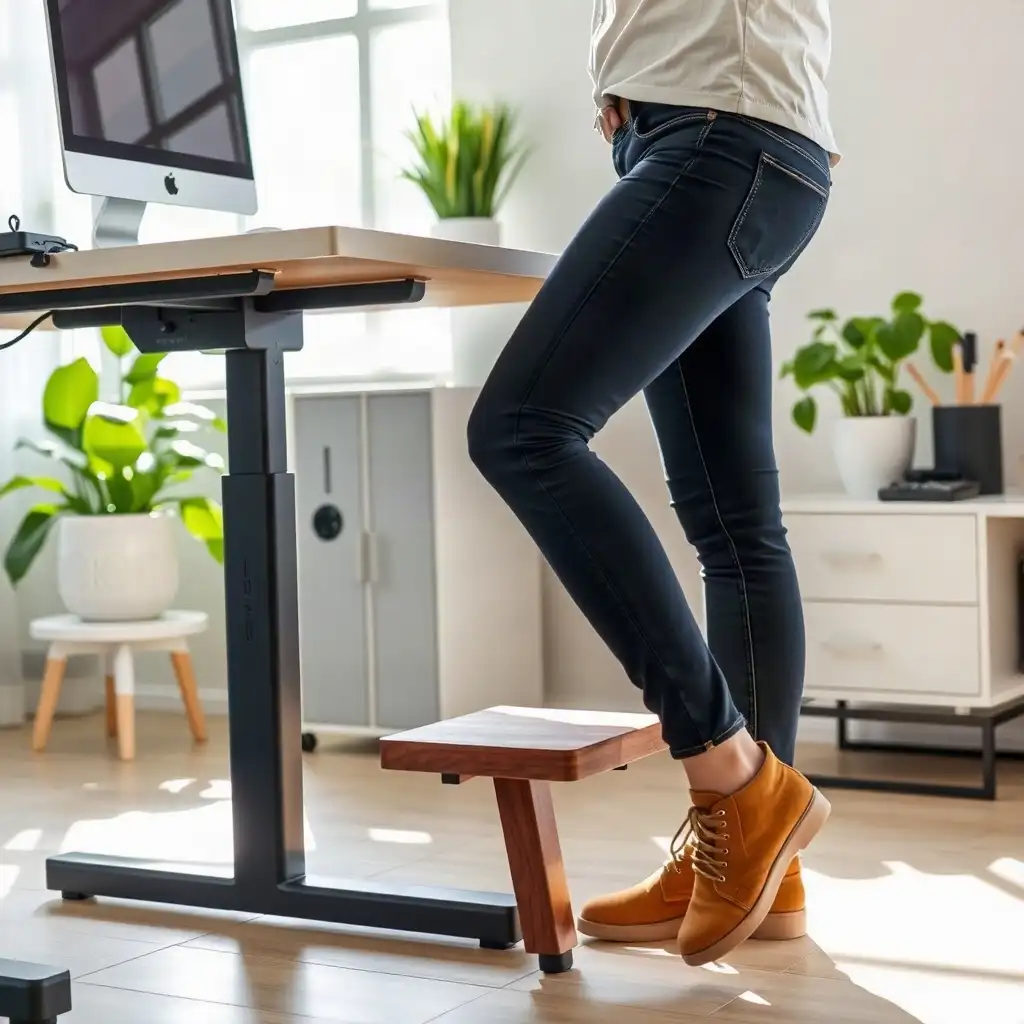
If you feel discomfort in your legs or pressure in your lower back while standing, adjust your posture. Using a footrest can reduce strain and improve weight distribution. This tool allows you to shift your weight between legs, enhancing comfort and productivity during the workday.
Understanding the Need for a Footrest
When using a standing desk, good posture is crucial. A footrest allows you to lift one foot while the other stays on the ground. This change in weight distribution can reduce strain and fatigue from prolonged standing. A footrest promotes movement, keeping your muscles active, which is important for comfort and health. Adding this tool to your workspace improves physical well-being and creates opportunities for adjustments throughout the day that enhance productivity.
Benefits of Using a Footrest
– Reduces fatigue during prolonged standing
– Encourages dynamic movement
– Enhances overall comfort at work
Signs You Should Consider a Footrest
You might feel discomfort in your legs during long periods of standing, indicating it may be time for a footrest. If you experience aching feet or pressure on your lower back, these symptoms suggest a need for better posture support. A footrest allows you to shift weight between your legs and reduce fatigue. This change can improve circulation and stability while working.
Benefits of Frequent Weight Shifts
Shifting your weight often reduces strain and promotes movement, key for staying alert both physically and mentally throughout the day. If you frequently switch legs or feel stiff after sitting at your desk too long, consider how a footrest might provide relief and improve focus. This accessory offers comfort and helps create an ergonomic workspace that supports productivity and well-being at work.
The Pros & Cons of Using a Footrest
Pros
-
A footrest gives you a spot to rest one foot while standing, making it easier to change positions comfortably.
-
It supports your feet when you're sitting, which boosts overall comfort.
-
A footrest is useful for anyone who often shifts between sitting and standing.
-
It provides flexibility in how you position your feet, catering to what feels best for you.
-
Using a footrest can help improve posture by offering extra support.
-
It may reduce tiredness during long periods of standing or sitting.
Cons
-
A footrest can take up precious space under your desk, which might restrict how you move your legs.
-
It may block the movement of your chair, making it harder to switch between sitting and standing.
-
Some designs might not offer enough stability or could slide around during use, raising safety issues.
-
If a footrest is placed incorrectly, it can cause discomfort or interfere with natural movements.
-
You might find yourself relying too much on the footrest and forget to change positions often.
-
Not everyone sees a benefit from using a footrest; its usefulness really depends on personal choice and how your workspace is set up.
Footrest Placement Guidelines
To get the most out of a footrest, placement is important. Position your footrest so you can comfortably lift one foot while keeping the other flat on the floor. When standing, your feet should rest evenly on the ground without straining your legs or back. This setup promotes balance and supports good posture throughout your workday. Ensure there’s enough room under your desk for both feet to move freely; limited space may reduce the comfort benefits of a footrest.
Also, adjust its height based on your preference, what works for someone else may not feel right for you. The goal is to find a position where weight distribution feels comfortable rather than forced. Regularly assess how these adjustments affect your comfort; even small tweaks can significantly enhance overall comfort at a standing desk.
Clearance
keep clearance in mind! Ensure there’s ample space between the bottom of the desk and top of the footrest to avoid feeling cramped during use, a proper setup allows freedom of movement along with support. By following these tips, you’ll create an ergonomic environment tailored for you, making each workday more comfortable and productive.
Adjustable Vs. Fixed Footrests
When choosing between adjustable and fixed footrests, consider the advantages of each based on your needs. Adjustable footrests allow you to change the height and angle for comfort. This feature is helpful if you often shift positions during your workday or share a workspace with others who have different preferences. You can adjust an adjustable model until your feet feel well-supported while maintaining good posture.
Fixed footrests provide steady support without constant adjustments. They typically come in standard sizes that appeal to those who prefer simplicity. If you want a stable setup without adjusting settings or mechanisms, this option may be right for you. Ensure any fixed design fits well with your standing desk height; otherwise, it could reduce comfort. Choosing between these options depends on personal preference and how much adjustability you need as part of your ergonomic solution at work.
Maximizing Comfort: Footrest Benefits Explored
| Consideration | Description |
|---|---|
| Footrest Purpose | Provides support for feet, potentially reducing fatigue during prolonged standing. |
| Placement | Should be positioned to allow for a comfortable foot position without obstructing leg space. |
| Clearance | Ensure there is adequate space beneath the desk for foot movement and comfort. |
| Adjustability | Look for footrests that can be adjusted in height or angle to suit individual preferences. |
| Material | Consider materials that offer durability and comfort, such as foam or rubber. |
| Stability | A stable footrest helps maintain balance and prevents slipping while in use. |
| Size | Choose a size that fits comfortably within the workspace without overcrowding. |
| Mobility | Portable designs may allow for easy repositioning or storage when not in use. |
| User Preference | Individual comfort levels vary; personal preference plays a significant role in footrest choice. |
| Regular Position Changes | It is advisable to change positions regularly to promote circulation and reduce discomfort. |
| Ergonomic Alignment | Proper alignment with the body can enhance comfort and prevent strain on the legs and back. |
Combining Footrests with Other Supports
Incorporating a footrest into your standing desk setup can be enhanced by using it with other supportive tools. Pairing a footrest with an anti-fatigue mat boosts comfort. The mat absorbs shock and encourages small movements in your feet and legs, while the footrest allows you to shift weight from one leg to another. This combination reduces discomfort and improves circulation, keeping you energized as you work. This guide covers workstation seating choices for different tasks, desk heights, and available floor space.
Another effective approach is using adjustable supports with your footrest. Adding a keyboard or monitor riser that aligns with eye level supports ergonomic wrist positioning. Ensuring all parts of your workstation fit well together creates an environment where everything works in sync to support posture and productivity. These combinations can turn static periods at work into dynamic experiences, your body will appreciate it! When choosing a chair or stool, consider seating support options, how long you sit, and how often you change position.
Creating a Dynamic Workspace
Creating a workspace that fits your needs is essential for comfort during long hours at the standing desk. Start by adding movement to your routine; consider using an adjustable footrest, which allows you to lift one foot while shifting weight between both legs. This change can make a fixed work area more dynamic, engaging different muscle groups throughout the day. Movement is key for both physical comfort and mental clarity, being active helps concentration.
Flexible Setup
Also, incorporate elements that add flexibility to your setup. Use rolling or height-adjustable furniture pieces so you can switch from sitting to standing without interrupting your workflow. A well-organized space should have frequently used items within reach of your workstation, making transitions smooth rather than disruptive. By focusing on these adjustments and encouraging regular changes in posture, you’ll create a workspace that is comfortable and boosts productivity while improving overall well-being through smart ergonomic design.
Unveiling Footrest Insights for Standing Desks
-
A footrest is an optional accessory for a sit-stand workstation.
-
Many people appreciate having a spot to rest one foot while standing, allowing them to switch between feet.
-
A footrest can make sitting more comfortable if your feet don’t reach the floor, but it should match the chair to maintain posture.
-
The placement of a footrest is important; it should not block movement when switching between sitting and standing or accessing your workspace.
-
OSHA’s workstation guidance emphasizes that changing positions often is important, rather than relying solely on a footrest to determine how long to sit or stand.
Personalizing Your Ergonomic Setup
Personalizing your ergonomic setup goes beyond picking the right footrest; it’s about creating a workspace that fits your needs. Start by checking your posture and how you feel during the day. Do you notice discomfort at certain times? Adjust the height and position of your footrest based on those experiences, ensuring it’s easy to change positions when necessary. What feels good for one person might not work for another, try different angles or types of footrests until you find one that suits you.
Incorporate Other Personalized Elements
Consider adding other personalized items. Use accessories like standing desk converters or monitor risers that match your body size and workflow habits. Getting this alignment right can help maintain a comfortable stance while working at a standing desk, boosting comfort and efficiency throughout the day. Pay attention to lighting and noise control; these factors are key to creating a productive environment.
Regularly Reassess Your Setup
remember that personalization isn’t a one-time task, you should regularly check if these tools still meet your needs over time. Life changes, new tasks arise, bodies adjust, and so should your workstation! By continually fine-tuning your space according to changing preferences, you’ll ensure it remains an inviting spot where comfort is prioritized amid daily challenges.
Footrest Maintenance Tips
Maintaining your footrest is crucial for support. Regularly check for wear and tear, look for loose parts or damage that might affect stability. Depending on the material, you may need to clean it; some footrests can gather dust and debris, which can lead to slipping. A quick wipe with a damp cloth usually suffices.
Adjustments
Also, don’t forget about adjusting your footrest if it’s an adjustable model. Reassess its height settings based on your comfort each day or as tasks change throughout the week. What felt comfortable yesterday may not feel right today, that’s normal! By paying attention to these shifts in comfort, you’ll extend the life of your tool while improving overall well-being at your desk setup. Remember: regular maintenance plays a big role in keeping ergonomic benefits intact!
Common Mistakes to Avoid
One of the biggest pitfalls when using a footrest is failing to recognize its role in your ergonomic setup. Many users think any foot support will do, but not all footrests are the same. Choosing one that doesn’t fit your height or standing desk can lead to discomfort instead of relief. Ignoring adjustments based on how you feel throughout the day often results in missed opportunities for better comfort, what feels right in the morning might not be ideal by afternoon!
Positioning Matters
Another common mistake involves positioning; placing a footrest too far away can strain muscles and disrupt posture alignment. Ensure it’s within easy reach so you can move between positions smoothly without straining yourself. Many forget to include movement in their routine while using a footrest, it’s easy to become stationary even with supportive tools! Aim for regular shifts in weight distribution and gentle movements to keep blood flowing and reduce fatigue. When choosing a mat, consider floor-surface cushioning along with available space and chair movement.
Compatibility Counts
don’t overlook compatibility with other parts of your workspace! A mismatched combination could negate the benefits of your desk’s height adjustment features and supportive accessories like monitors or keyboard risers. Ensure every component works well together to create an environment that boosts productivity rather than creating barriers through poor layout choices! By avoiding these missteps, you’ll maximize the advantages of a thoughtfully designed ergonomic workstation.
Enhancing Comfort at Your Desk
To improve comfort at the desk, small changes can significantly enhance your experience. A footrest for your standing desk setup provides support for tired feet, promotes better posture, and reduces fatigue. As you use a footrest, shifting weight from one foot to another allows for movement, this action can refresh both body and mind during work.
Consider the materials in your workspace; softer surfaces may reduce stress on joints during long periods of standing. Also, think about how different accessories work together; combining ergonomic tools like an adjustable monitor stand or keyboard tray with your footrest enhances their effectiveness in creating a comfortable environment. The goal is fluidity: ensuring each component supports mobility rather than restricts it will greatly impact daily tasks.
Regular Reassessment
regularly check what feels comfortable as work demands or personal preferences change to ensure these components serve you well over time. Building a cozy workspace designed for comfort doesn’t end after initial setup, it evolves with you! Embrace this journey toward boosting productivity through smart design choices today!
FAQ
What are the benefits of using a footrest at my standing desk?
A footrest at a standing desk can enhance comfort by allowing weight shifts between feet, potentially reducing fatigue and improving posture during extended standing.
How do I determine if a footrest fits well in my workspace?
Check the footrest size and ensure it allows comfortable foot positioning and easy movement in your workspace.
What should I check to ensure my footrest is stable and safe to use?
Ensure the footrest is stable and safe by checking it doesn’t rock, slide, or pose a trip hazard during regular use.
Can I use a footrest while switching between sitting and standing positions?
A footrest aids in switching between sitting and standing, so place it within easy reach without disrupting your movements or workspace.
What guidelines should I follow for adjusting and positioning my footrest?
Ensure the footrest fits your workspace, allowing easy movement of your feet and legs while adhering to the manufacturer’s stability and adjustment guidelines.